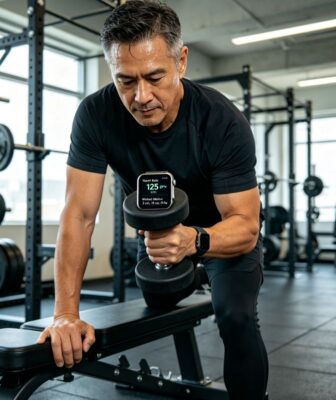
 Strength training and digital health monitoring have become central to modern wellness as people focus more on living healthier for longer. Research from the World Health Organization (WHO) shows that regular physical activity reduces the risk of cardiovascular disease, type 2 diabetes, certain cancers, and premature death. At the same time, wearable devices have made it easier for individuals to understand how daily habits affect long-term health.
Growing interest in preventive fitness strategies reflects a wider shift from treating illness to reducing health risks before they develop. Reports from the International Data Corporation (IDC) indicate that global shipments of wearable devices continue to grow as consumers seek personalized health insights. Fitness watches, smart rings, and continuous health monitors now track sleep quality, heart rate, recovery, stress levels, and physical activity, giving users practical information to improve everyday decisions.
Wearable Technology Is Changing Personal Health Management
Health tracking has moved beyond counting daily steps. Many modern devices measure heart rate variability, blood oxygen levels, skin temperature, and sleep stages. Findings from the American Heart Association suggest that wearable technology can encourage greater physical activity and improve awareness of cardiovascular health when used alongside professional medical guidance.
Experts note that people are becoming more engaged because health data is available in real time. Instead of relying on occasional medical checkups, users can identify patterns that influence energy levels, recovery, and exercise performance. This continuous feedback supports healthier habits throughout the year.
Strength Training Is Taking Priority
Cardiovascular exercise remains valuable for heart health, yet strength training has gained greater attention because of its role in preserving muscle mass and independence with age. Studies published by the American College of Sports Medicine recommend resistance training at least twice each week to improve muscular strength, bone health, balance, and metabolic function.
Research from the National Institute on Aging shows that maintaining muscle helps older adults remain mobile, lowers the risk of falls, and supports healthier aging. Building strength also improves insulin sensitivity and daily functional movement, making routine activities easier throughout life.
Artificial Intelligence Makes Fitness More Personal
Artificial intelligence has expanded the value of wearable technology by turning large amounts of health information into personalized recommendations. AI-powered fitness platforms analyze workout history, recovery scores, sleep quality, and physiological trends before suggesting training intensity or recovery periods.
Reports from the World Economic Forum highlight how digital health technologies are improving preventive healthcare through personalized monitoring and data-driven decision making. While these systems do not replace healthcare professionals, they help users make informed adjustments that better match their individual needs and goals.
Healthy Habits That Support Long-Term Wellness
Technology works best when combined with consistent daily routines. Simple habits often deliver the greatest long-term benefits.
- Perform resistance training two to three times each week.
- Include moderate cardiovascular exercise for heart health.
- Aim for seven to nine hours of quality sleep each night.
- Review wearable health data regularly to identify recovery and activity patterns.
- Maintain a balanced diet with adequate protein to support muscle maintenance.
Longevity is becoming less about chasing short-term fitness goals and more about building sustainable habits that improve quality of life. Strength training, supported by reliable wearable technology and AI-driven insights, gives people practical tools to stay healthier as they age. As scientific research and digital innovation continue to evolve, individuals who combine consistent exercise with informed health tracking will be well positioned to enjoy stronger bodies, greater resilience, and better long-term well-being.


